Slab Leak Detection in Youngstown, OH
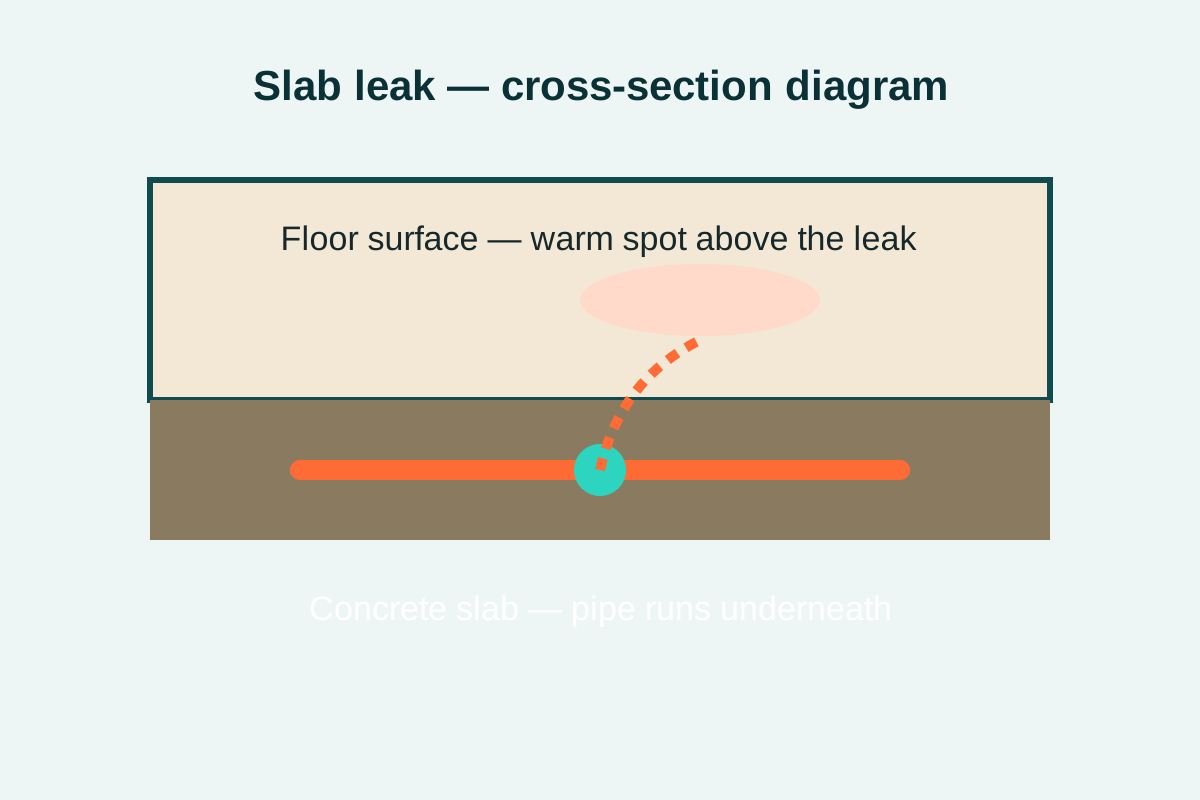
A slab leak is a leak in a water line running under a concrete slab floor, and it can be one of the hardest leaks to spot from inside a home. The signs are often indirect: a warm patch on the floor, damp carpet that never quite dries, or the sound of water underfoot. If any of that sounds familiar in Youngstown, call (330) 482-8300.
Referral service — we connect you with an independent local provider. No obligation to proceed.
What this service covers
A slab leak is a leak in a water line running under a concrete slab floor, and it can be one of the hardest leaks to spot from inside a home. The signs are often indirect: a warm patch on the floor, damp carpet that never quite dries, or the sound of water underfoot. If any of that sounds familiar in Youngstown, call (330) 482-8300.
Because the pipe is buried, guessing is expensive. Slab leak detection uses listening equipment, thermal imaging, and pressure isolation to work out which line is losing water and roughly where, before anyone talks about breaking concrete. That careful first step protects both the floor and your budget.
Signs to watch for
- A warm or hot spot on a concrete or tiled floor
- Damp carpet, warped laminate, or flooring lifting in one area
- The sound of running or trickling water under the floor
- Cracks appearing in flooring, walls, or the slab edge
- A hot-water system that runs far more often than it used to
How detection usually works
A provider will usually isolate hot and cold lines separately, pressure-test each section, and then use acoustic and thermal tools to listen for and map the leak. Only after the location is narrowed down should repair options be discussed, and those options depend on the pipe, its depth, and its condition.
Why this kind of leak is easy to miss
Slab leaks are among the easiest to miss and the hardest to live with, because the evidence arrives second-hand: warmth through the floor, a carpet that never fully dries, or a hot-water system that seems to run all day. Many homeowners first blame the heating, the weather, or a spill, and only call when the floor itself starts to change. If two or more of those signs line up, a test is worth it.
What to tell us when you call
- Where you first noticed it — which room, wall, floor, or patch of ground.
- How long it has been there, and whether it is getting worse.
- Any bill change, pressure change, sound, or smell that came with it.
- Whether you have shut off a valve, and which one.
After the leak is found
After detection, the conversation turns to repair routes, and this is where location matters most. A leak under an open garage floor and a leak under a finished living room are very different jobs, even if the pipe is the same. Ask the provider to explain each option, what it disturbs, and how long the home will be disrupted, before you agree anything.
How to lower the chance of the next one
Slab pipework ages like any other pipework, and hard water, ground movement, and past repairs can all shorten its life. There is no single prevention trick, but watching your bill, noting any new warm spots, and acting on damp early will keep a small slab leak from becoming a large flooring job.
Not sure this is the right service? Read how to tell if you have a hidden water leak, or call (330) 482-8300 and describe it — we will connect you with a local provider who can help you narrow it down.
Other leak detection services
- Emergency Leak Detection
- Water Leak Detection
- Sewer Line Leak Detection
- Underground Pipe Leak Detection
- Pipe Leak Repair
- Commercial Leak Detection
Areas served
- Leak Detection in Boardman, OH
- Leak Detection in Austintown, OH
- Leak Detection in Canfield, OH
- Leak Detection in Poland, OH
- Leak Detection in Struthers, OH
Neighbourhoods in Youngstown are listed with ZIP codes on the service areas page: Downtown 44503, North Side 44504, East Side 44505, South Side 44507, West Side 44509, and Cornersburg 44511.
Think this is your leak? Call now.
Tell us what you can see, hear, or smell, and we will connect you with an available local provider.
Call (330) 482-8300Frequently asked questions
Is a warm floor always a slab leak?
Not always. Underfloor heating, a nearby hot-water pipe, or sunlight can warm a floor. A slab leak is more likely when warmth comes with damp, sound, a rising bill, or a pressure drop. A provider can test the lines to confirm.
Does a slab leak have to mean breaking the whole floor?
No. Detection first narrows the location, and repair is then discussed for that spot or line. Some repairs reroute a line rather than opening the slab, depending on what the provider finds.
Should I keep using water while I wait?
Limit use where you can, especially hot water if a hot line is suspected, and avoid running appliances you do not need. If water is visibly spreading, shut off the main valve if it is safe to do so.